
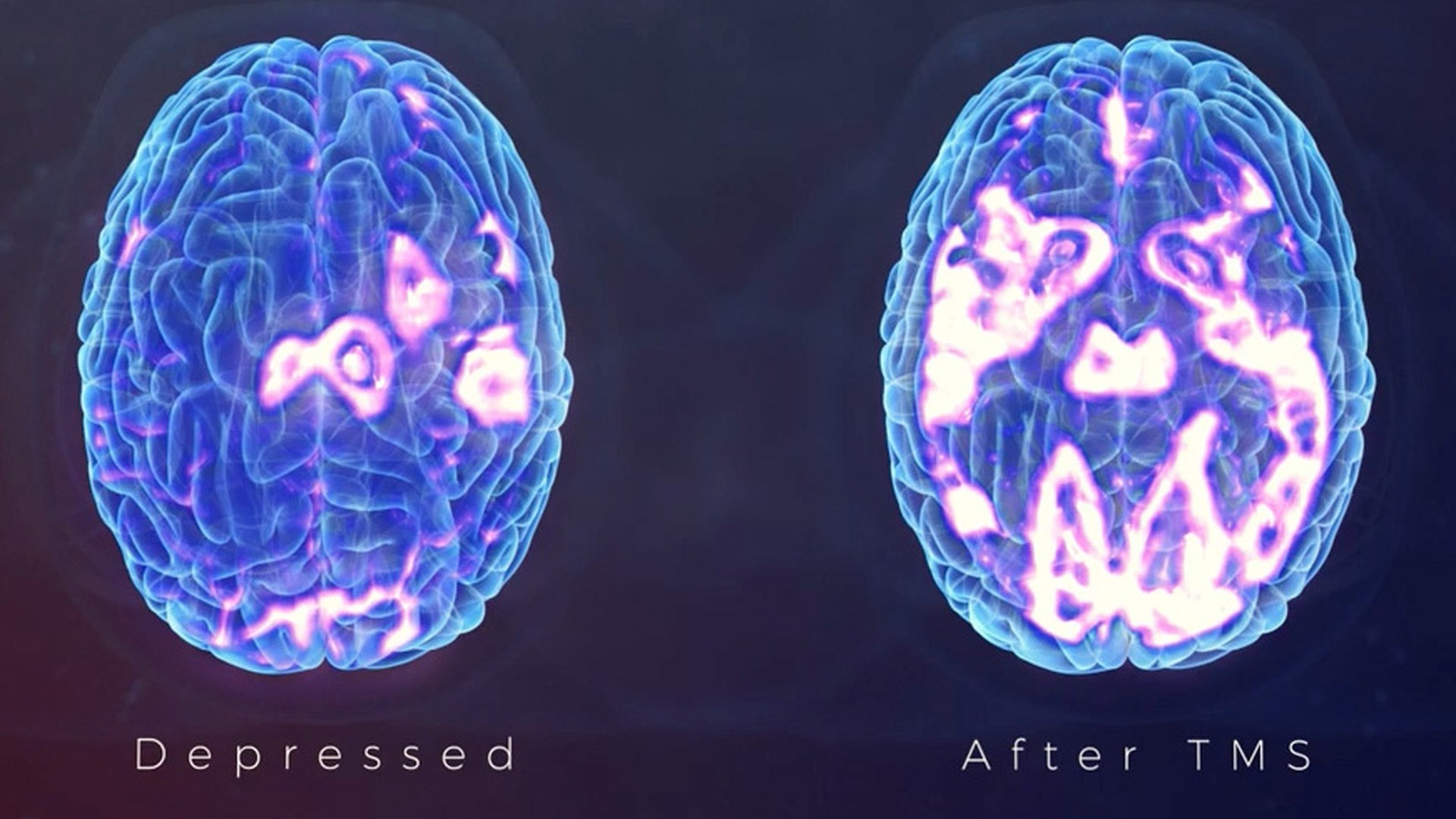
If you’ve tried two or more antidepressants and still don’t feel like yourself, it’s understandable to feel frustrated, discouraged, or unsure about what comes next. For many dealing with Major Depressive Disorder (MDD), especially those with Treatment-Resistant Depression (TRD), continuing to cycle through medications can feel exhausting and discouraging over time. Deep Transcranial Magnetic Stimulation (Deep TMS) presents a different approach by targeting the brain directly.
Who Typically Benefits Most from Deep TMS?
Deep TMS is FDA-approved for Major Depressive Disorder, including cases of treatment-resistant depression. This term simply means that symptoms haven’t improved after trying two or more antidepressants, a situation many people experience despite following recommended treatment steps. While this article focuses on depression, Deep TMS is also FDA-cleared for certain individuals with Obsessive-Compulsive Disorder (OCD). For depression, Deep TMS may be a strong option for you if any of the following feel familiar:
- You’ve tried multiple medications without significant relief of your symptoms
- You experience side effects that make it difficult to stay on antidepressants
- Your depression is continuing to affect your work, relationships, or daily functioning
- You are looking for a non-invasive treatment option with minimal side effects that allows you to return to your usual activities immediately after treatment
Why Additional Medication Trials Often Don’t Help
Antidepressants can be very effective for many people, but their chances of working often decrease with each additional trial. According to the STAR*D trial data, after two failed medications, the remission rates fall to about 16%, and after three, it falls to just 7%. In other words, the likelihood that the “next” medication will provide relief becomes smaller with each attempt. For many, this can feel disheartening, especially after investing so much time and energy into treatments that didn’t bring lasting relief.
Partly, this is because depression is not only a matter of chemical imbalance. In many cases, the brain’s circuits and communication networks are underactive or dysregulated to a level that medications alone cannot fully reach. Even for those who initially respond, medications can lose effectiveness over time.
How Deep TMS Works and Why It’s Different
The objective of Deep TMS is to stimulate the areas of the brain associated with mood, motivation, and emotional regulation using magnetic pulses targeted at specific brain regions. Instead of circulating through the entire body, Deep TMS works directly on the brain networks involved in mood, without affecting the rest of the body.
This focused stimulation encourages neuroplasticity, the brain’s ability to establish stronger, healthier pathways. Rather than working indirectly through the entire body, Deep TMS focuses on restoring activity in underactive brain networks involved in mood regulation.
Safety, Side Effects, and Tolerability
It’s completely natural to have questions or concerns about safety when considering brain-based treatment. Many people worry that TMS might be uncomfortable or invasive, but Deep TMS is designed to be gentle and highly tolerable.
Deep TMS has been studied extensively and cleared by the FDA as a safe form of treatment. Deep TMS does not require any medication, anesthesia, or sedation, and does not “shock” the brain. Rather, it applies low-level magnetic pulses to activate specific areas involved in regulating mood.
Most patients describe the experience as very manageable and far easier than expected. The most common side effects are mild scalp discomfort or a temporary headache, which usually lessen after the first few sessions. Deep TMS is generally very well tolerated compared to antidepressant medications, which are often accompanied by nausea, changes in weight, sexual dysfunction, fatigue, and sleep disturbances.
Patients remain fully awake during sessions and can drive themselves home, return to work, or continue with their day immediately afterward. For many who have struggled with medication side effects, Deep TMS feels like a safer, more manageable option that can be integrated into their daily life.
What the Clinical Data Shows
There are strong clinical and real-world studies that support Deep TMS. Based on BrainsWay data, the results for more than 1,300 patients show that:
- 82% of patients respond to treatment
- 65% achieve remission after at least 30 sessions
Response and remission rates can vary based on factors such as symptom severity, previous treatment history, and completion of the full treatment course.
This is particularly significant for those who have failed to find relief through medication alone.
Is Deep TMS Covered by Insurance?
Despite common misconceptions, Deep TMS is often more accessible than patients expect. At Deep Centered Mental Health in Austin, we are in-network with most major insurance providers. Most insurance policies allow for coverage for patients who have been unsuccessful with at least two different antidepressants.
We offer Deep TMS with skilled clinicians, proven technology, and a patient-focused environment. Our team provides an introductory assessment, a tailored treatment schedule, and support throughout your treatment sessions.
Your path to lasting relief starts here. Call us at 512-894-9026, click here to request a TMS Consultation, or schedule your appointment now without having to speak with anyone.